



What is Salvation?
>>>Click here for a printable version of “What is Salvation?”<<<
>>>Click here for the original lesson <<<
Whenever we see the word “salvation” or “saved” in the Bible, we should always look at the context. The word itself simply means “to be delivered,” and is often used for deliverance from one’s enemies, or from danger, and even from trials or sickness. When we speak of salvation, in the sense of eternal life, we are talking about a subject of the greatest scope and depth in the Bible. In fact, it is the central theme of the Bible.
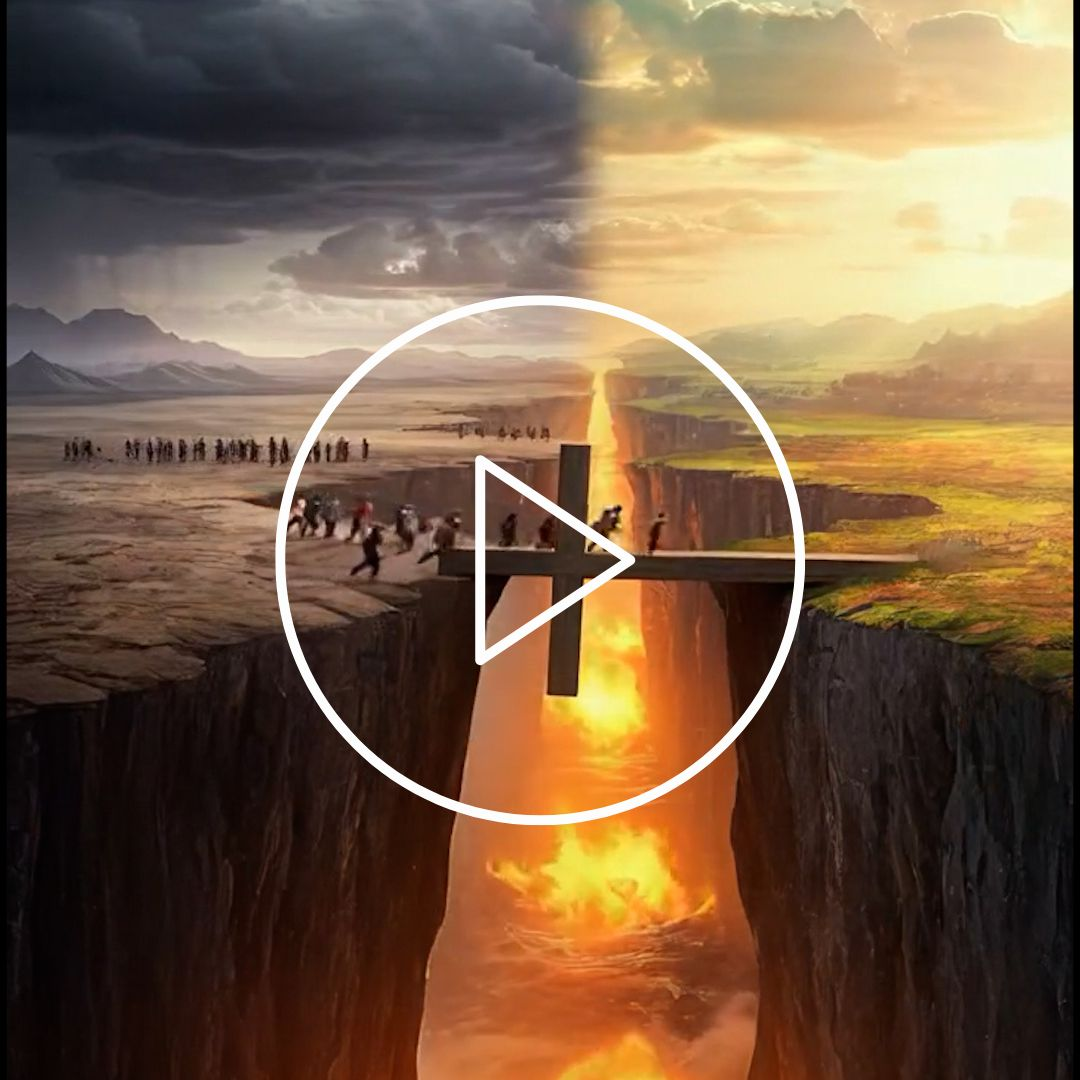
1. Salvation is a free gift of God to all who believe.
“For the wages of sin is death, but the gift of God is eternal life. in Christ Jesus our Lord.” (Rom. 6:23)
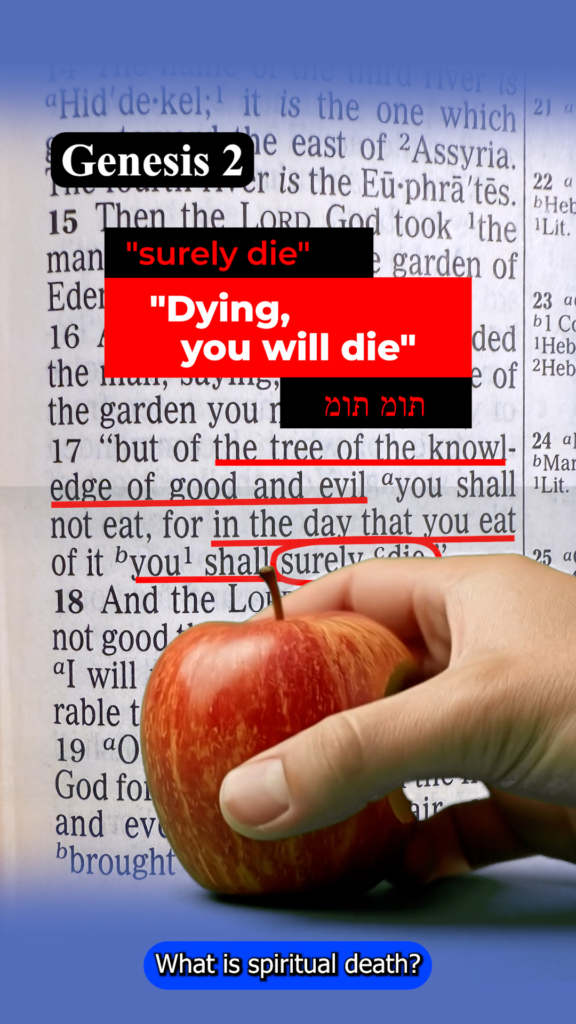
2. Salvation is deliverance from the condemnation of sin.
In the simplest of terms, it is deliverance from the condemnation of sin, into the life and righteousness of Jesus Christ, by faith alone in Christ alone.
“Sirs, what must I do to be saved? So they said, ‘Believe on the Lord Jesus Christ, and you will be saved.’” (Acts 16:30–31)
“For by grace you have been saved through faith, and that not of yourselves; it is the gift of God, not of works, lest anyone should boast.” (Eph. 2:8–9)
100 times in the Gospel of John, the word “Believe” is used to show that faith alone in Christ alone is given as the only requirement to enter into eternal life!
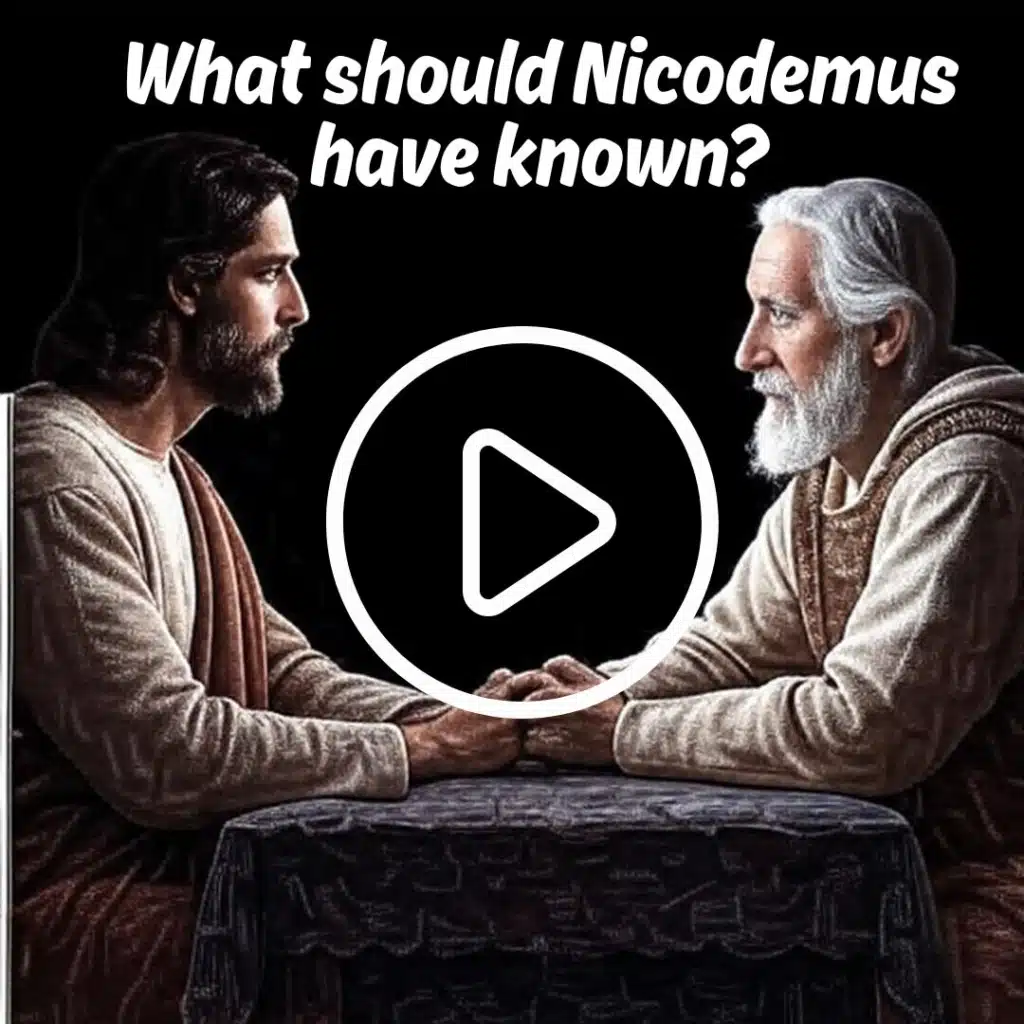
3. Salvation is new spiritual birth.
“Jesus answered, ‘Most assuredly, I say to you, unless one is born of water and the Spirit, he cannot enter the kingdom of God … you must be born again.’” (John 3:3, 7)
“Therefore, if anyone is in Christ, he is a new creation, old things have passed away; behold, all things have become new.” (2 Cor. 5:17)
What are the new things in Christ?
- We have a new position before God by the baptism of the Spirit (1 Cor. 12:13).
- We have new life by regeneration, meaning new birth (Titus 3:5).
- We have new power for living, by the indwelling of His Spirit (Eph. 1:13–14)
- We have new purpose because of His gifting and calling (1 Cor. 12:7; Rom. 11:29).
- We have new security, because we are sealed by His Spirit (Eph. 1:13–14; 4:30).
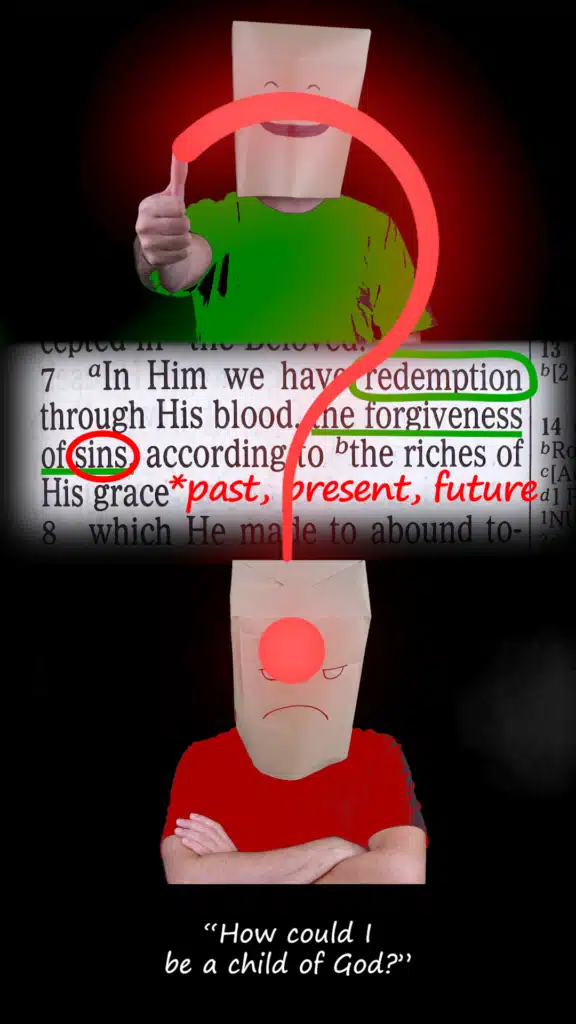
4. Salvation means entering into God’s family as His beloved child.
“But as many as received Him, to them He gave the right to become children of God, even to those who believe in His name.” (John 1:12)
“For you are all sons of God through faith in Christ Jesus.” (Gal. 3:26)
“And because you are sons, God has sent forth the Spirit of His Son into your hearts, crying out, ‘Abba, Father.’ Therefore you are no longer a slave but a son, and if a son, then an heir of God through Christ.” (Gal. 4:6–7)

Believing in Jesus
5. Salvation is the exchange of our sin for Jesus Christ’s righteousness.
“For He [God the Father] made Him [God the Son]to be sin for us, that we might become the righteousness of God in Him.” (2 Cor. 5:21)
6. Salvation is a peace treaty, by which God’s enemies become His friends.
“Therefore, having been justified by faith, we have peace with God through our Lord Jesus Christ …” (Rom. 5:1)
7. Salvation means the forgiveness of all sins: past, present, and future.
“In Him we have redemption through His blood, the forgiveness of sins, according to the riches of His grace.” (Eph. 1:7;)
“In Whom [Jesus Christ] we have redemption through His blood, the forgiveness of sins.” (Col. 1:14).
8. Salvation is the result of Jesus Christ’s willingness to take our judgment.
“For Christ also suffered once for sins, the just for the unjust, that He might bring us to God.” (1 Pet. 3:18).
Gene Cunningham - November 7, 2025
2025 Isaiah 19
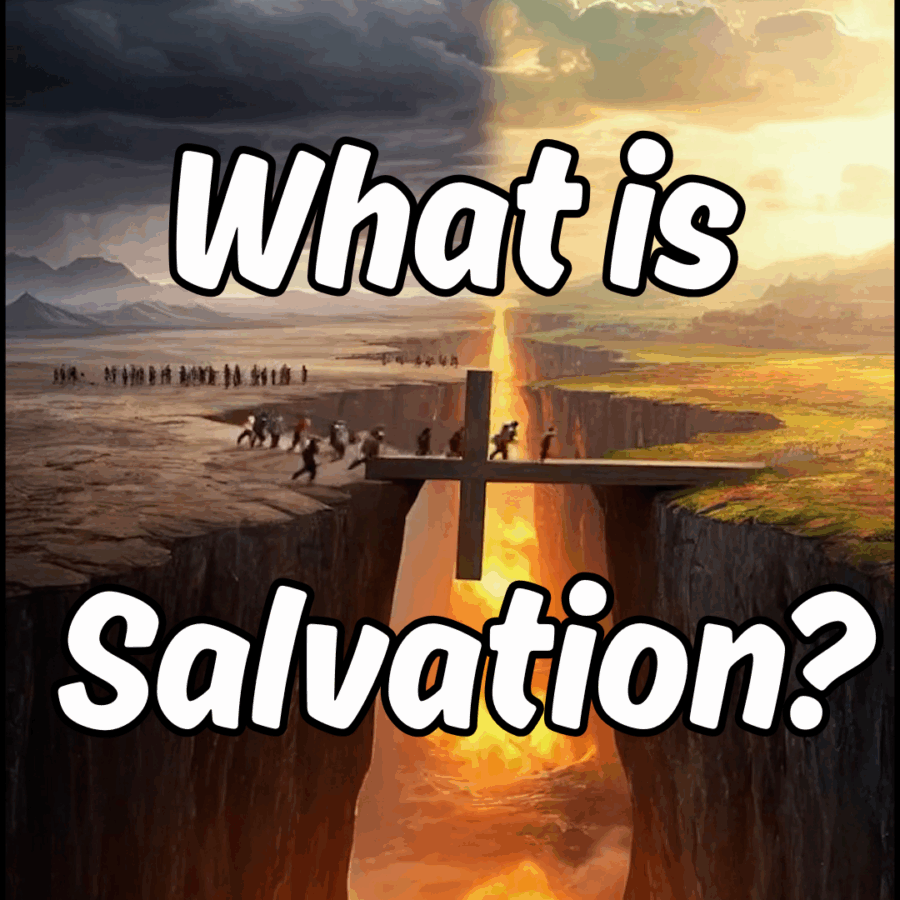
Gene Cunningham explains that salvation is a free gift of grace received through faith alone, resulting in a new spiritual birth and eternal security (Ephesians 2:8-9). He describes the gospel as a divine exchange where Christ's righteousness is imputed to the believer. The message also distinguishes the Day of the Lord from the Day of Christ (Isaiah 27:1).
Scripture References: Isaiah 27:1-13, Ephesians 2:4-9